
Treble Clef Note Acronyms
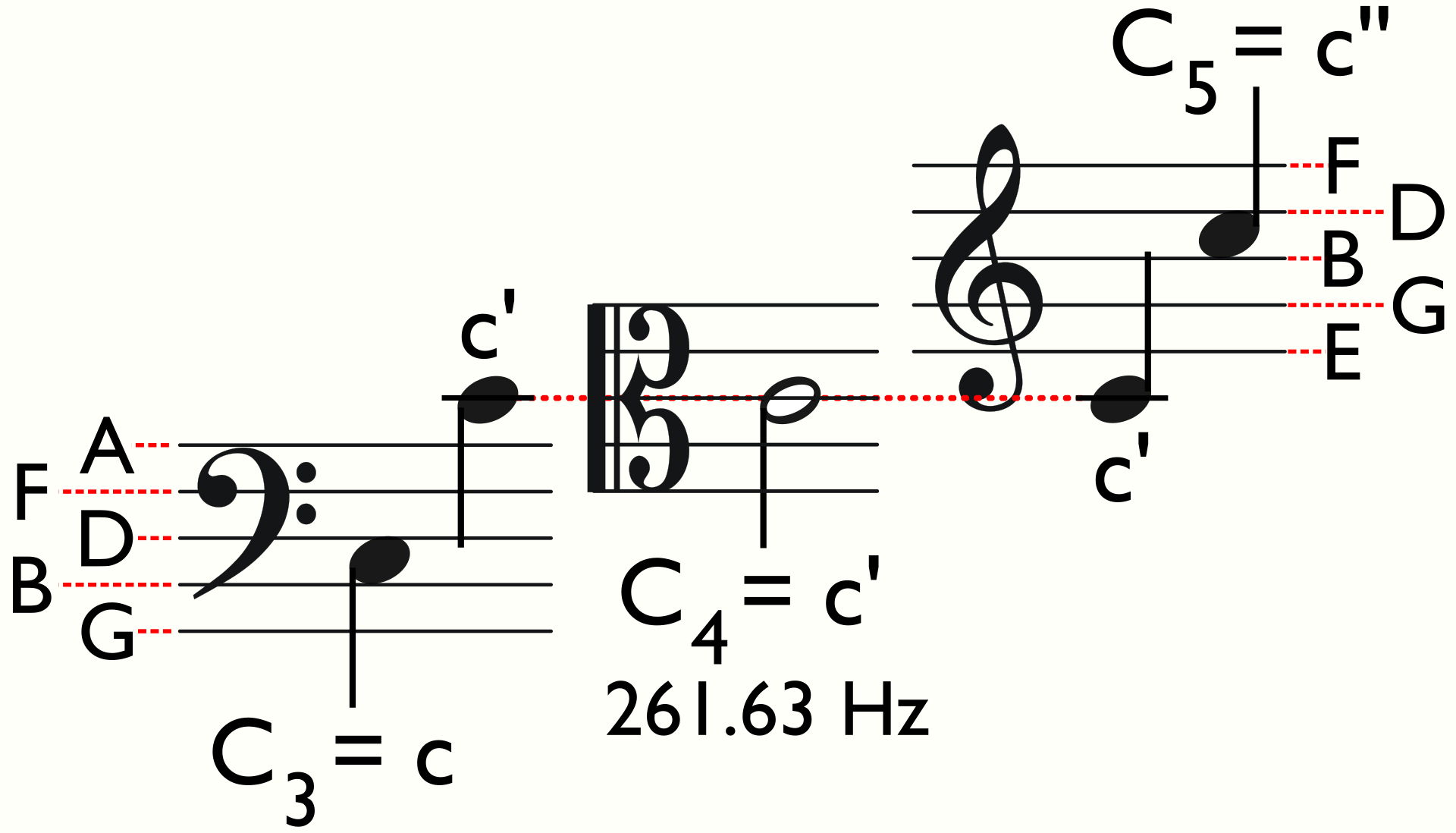
Description: This table provides easy-to-remember acronyms for the notes on the lines and spaces of the treble clef. These mnemonics help musicians quickly identify notes when reading sheet music.
| Lines (E-G-B-D-F) | Spaces (F-A-C-E) |
|---|---|
| Every Good Boy Does Fine | FACE |
| Every Good Boy Deserves Fudge |
Bass Clef Note Acronyms
Description: This table offers acronyms for the notes on the lines and spaces of the bass clef. These memory aids are useful for musicians learning to read bass clef notation.
| Lines (G-B-D-F-A) | Spaces (A-C-E-G) |
|---|---|
| Good Boys Do Fine Always | All Cows Eat Grass |
| Great Big Dogs Fight Animals |
Circle of Fifths Acronyms
Description: This table provides acronyms to help remember the key signatures in the Circle of Fifths. The acronyms for sharps are listed in a clockwise direction, while the acronyms for flats are listed counterclockwise. These memory aids are useful for musicians learning key signatures and their relationships.
| Key Signatures | Acronym for Sharps (Clockwise) | Acronym for Flats (Counterclockwise) |
|---|---|---|
| C Major | – | – |
| G Major | Father | Battle |
| D Major | Charles | Ends |
| A Major | Goes | And |
| E Major | Down | Down |
| B Major | And | Goes |
| F# Major | Ends | Charles |
| C# Major | Battle | Father |
Order of Sharps and Flats
Description: This table lists the order of sharps and flats as they appear in key signatures. The acronyms help musicians quickly recall the sequence of sharps and flats, which is essential for understanding and constructing key signatures.
| Sharps (F-C-G-D-A-E-B) | Flats (B-E-A-D-G-C-F) |
|---|---|
| Father | Battle |
| Charles | Ends |
| Goes | And |
| Down | Down |
| And | Goes |
| Ends | Charles |
| Battle | Father |
Top 10 Chord Progressions
| Chord Progression | Description | Applications |
|---|---|---|
| I-IV-V | The classic three-chord progression. | Used in many genres, especially rock, pop, and blues. |
| ii-V-I | A staple in jazz music. | Common in jazz standards and improvisation. |
| I-vi-IV-V | Also known as the “50s progression.” | Popular in doo-wop, pop, and rock ballads. |
| I-V-vi-IV | A versatile and widely used progression. | Found in pop, rock, and contemporary music. |
| vi-IV-I-V | Known as the “sensitive female chord progression.” | Used in pop and modern ballads. |
| I-IV-vi-V | A variation of the I-V-vi-IV progression. | Common in pop and rock music. |
| I-vi-ii-V | A progression that adds a minor ii chord. | Used in jazz and pop music. |
| I-vi-IV-ii | A progression with a minor ii chord. | Found in pop and contemporary music. |
| I-vi-iii-IV | A progression that includes a minor iii chord. | Used in pop and rock music. |
| I-vi-iii-V | Another progression with a minor iii chord. | Common in pop and rock music. |
Applications
- I-IV-V: This progression is the backbone of many rock and blues songs. It’s simple yet powerful, creating a strong sense of resolution.
- ii-V-I: Essential in jazz, this progression creates a smooth and sophisticated sound, often used in jazz standards and improvisation.
- I-vi-IV-V: Known for its nostalgic feel, this progression is popular in 1950s doo-wop and ballads.
- I-V-vi-IV: Extremely versatile, this progression is used in countless pop and rock songs, providing a catchy and memorable structure.
- vi-IV-I-V: Often used in modern pop ballads, this progression creates an emotional and uplifting feel.
- I-IV-vi-V: A slight variation of the I-V-vi-IV, this progression is also widely used in pop and rock music.
- I-vi-ii-V: This progression adds a minor ii chord, giving it a jazzier feel, and is used in both jazz and pop music.
- I-vi-IV-ii: Another progression with a minor ii chord, creating a contemporary sound often found in pop music.
- I-vi-iii-IV: Including a minor iii chord, this progression adds depth and is used in pop and rock music.
- I-vi-iii-V: Similar to the I-vi-iii-IV, this progression is also common in pop and rock, providing a rich harmonic structure.
Clef
 Discover the Joy in Learning!