
This article is for everyone who struggles with procrastination. It’s short and to the point.
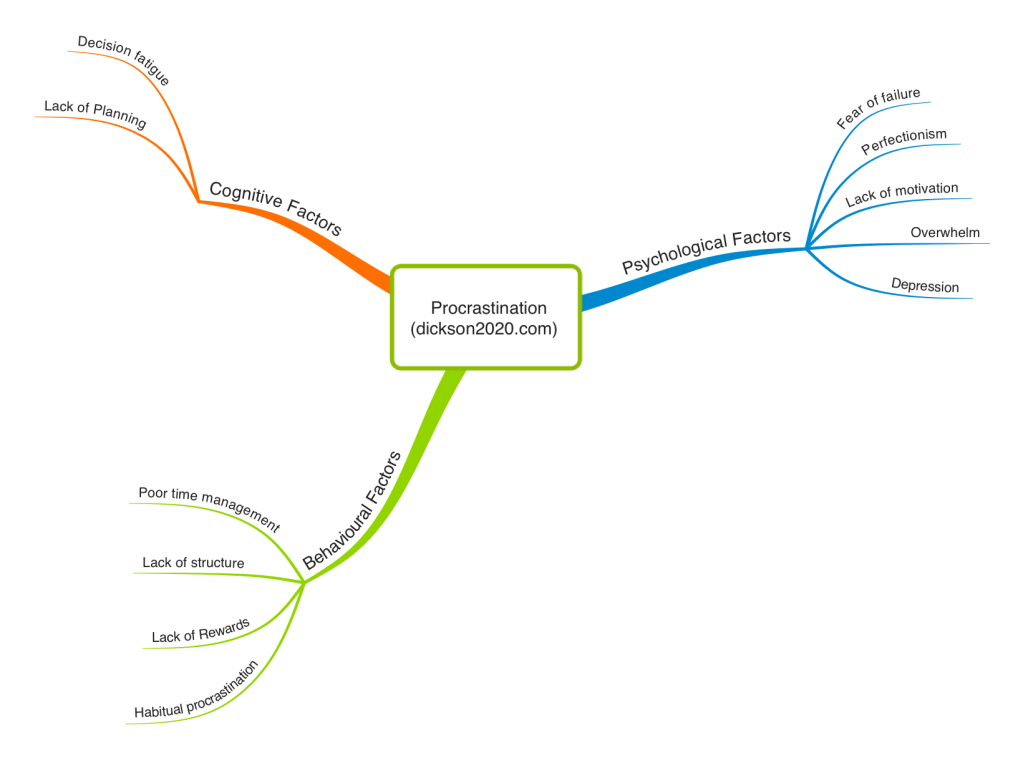
Common Reasons for the Procrastination
.
Step 1: identify the type/types of procrastination
Step 2 : fix it.
Understanding the science behind procrastination can help us overcome it. Engaging in tasks that require focus and mental effort consumes more energy, while relaxing or indulging in fantasies requires less. Certain activities, such as excessive social media use, trigger the release of dopamine, a neurotransmitter that can prolong these activities by masking the body’s need for rest. This can lead to sacrificing sleep and overall well-being. To combat procrastination,prioritize tasks that demand cognitive effort and avoid activities that provide immediate gratification but ultimately hinder productivity.
My experience as a professional for two decades has been an unexpected teacher. Witnessing how my dog, Jimmy,reacted after seeing a snake as a puppy and how he behaved after he matured has mirrored my own struggles with procrastination. Despite countless projects delivered under tight deadlines and sleepless nights, I’ve learned valuable lessons. In the next section, I’ll share these insights – not from an academic source, but from my own journey. It’s a perspective you can directly apply to see if it benefits your battle against procrastination.
As a puppy, Jimmy would cower under the bed whenever he encountered a snake in the garden. However, as he matured,his fear turned into bravery. He began to chase and ultimately kill snakes, showcasing his remarkable transformation.
While the snake remained similar in size or even larger than those he encountered, what caused Jimmy’s behavior to evolve? As he grew stronger, he developed a newfound confidence in his ability to face and overcome challenges. His physical strength and growth directly correlated with his self-assuredness, empowering him to confront even the most daunting threats.
Procrastination is like a snake that we avoid and hide from. However, it’s a challenge we must confront. The only solution is to build our physical and mental capabilities to face it bravely. Poor eating habits and sleep patterns will hinder our ability to follow any productivity guide or task management technique. Prioritizing our health is crucial. Personally, I’ve found that regular exercise, such as karate or dance, significantly boosts my productivity and reduces procrastination.
I’ve noticed an interesting phenomenon: tasks that once seemed daunting often become simpler after I commit to them.Allocating specific timeframes for tasks and working within those timeboxes can lead to faster completion than anticipated.
For example, if you’ve always wanted to learn the flute, don’t just talk about it. Take action! Go to a shop or online,purchase a flute, and commit to playing it for 30 minutes a day. Stop overthinking about resources and how to learn. The key is to allocate the time and start. This proactive approach will naturally lead to effective strategies and progress.
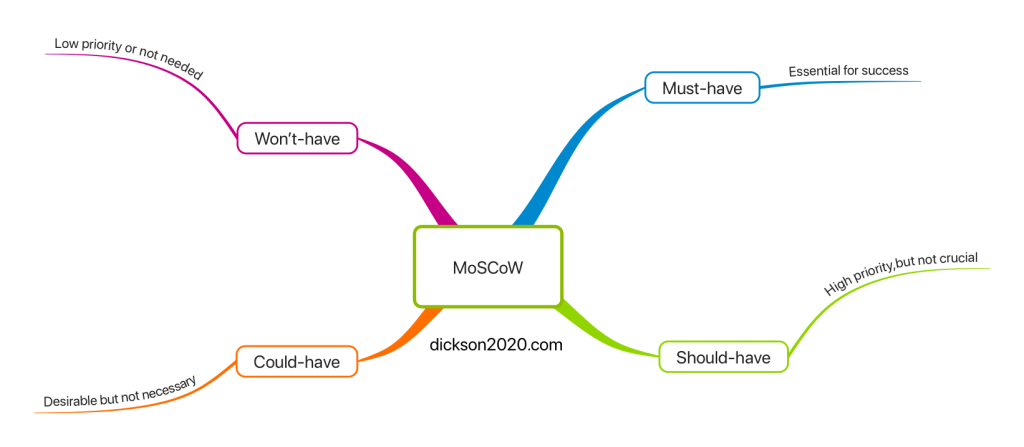
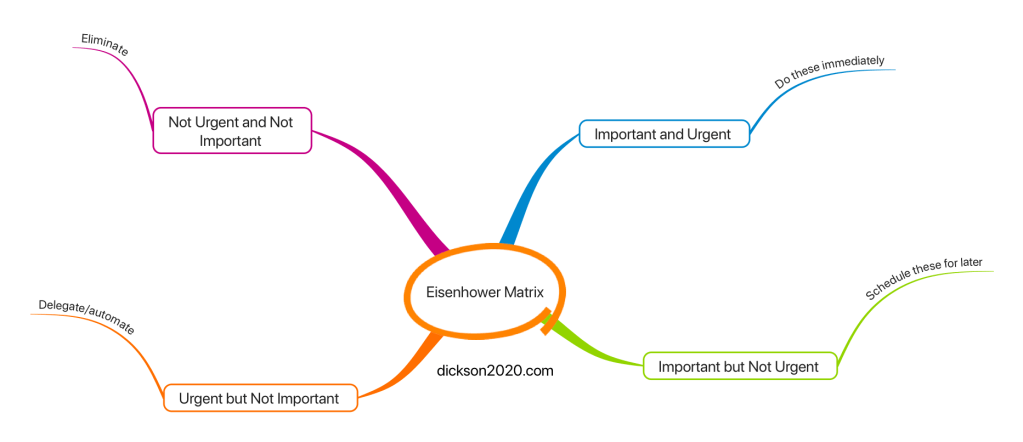
Here are a few techniques and steps you can follow to effectively manage your tasks, once you’ve established a strong physical and mental foundation.
Here are some effective methods to approach tasks based on their categories:
Early in my career, I pursued the PMP certification primarily to enhance my personal task management skills. I experimented with various techniques to increase my efficiency and overcome procrastination. As I progressed professionally, I realized that a more systematic approach and personal discipline were key. This journey of continuous improvement required a mindset focused on identifying gaps and narrowing them down. Striving for perfection is important, but it’s not necessary to achieve it.
Please visit my [Posts] at dickson2020.com for latest articles.
 Discover the Joy in Learning!